
Knowledge Base on Plant-Derived Supports for Weight Regulation and Balanced Vitality
Examination of Natural Compounds and Gentle Practices for Subtle Form Maintenance
Educational content only. No promises of outcomes.
Core Botanical Ingredients
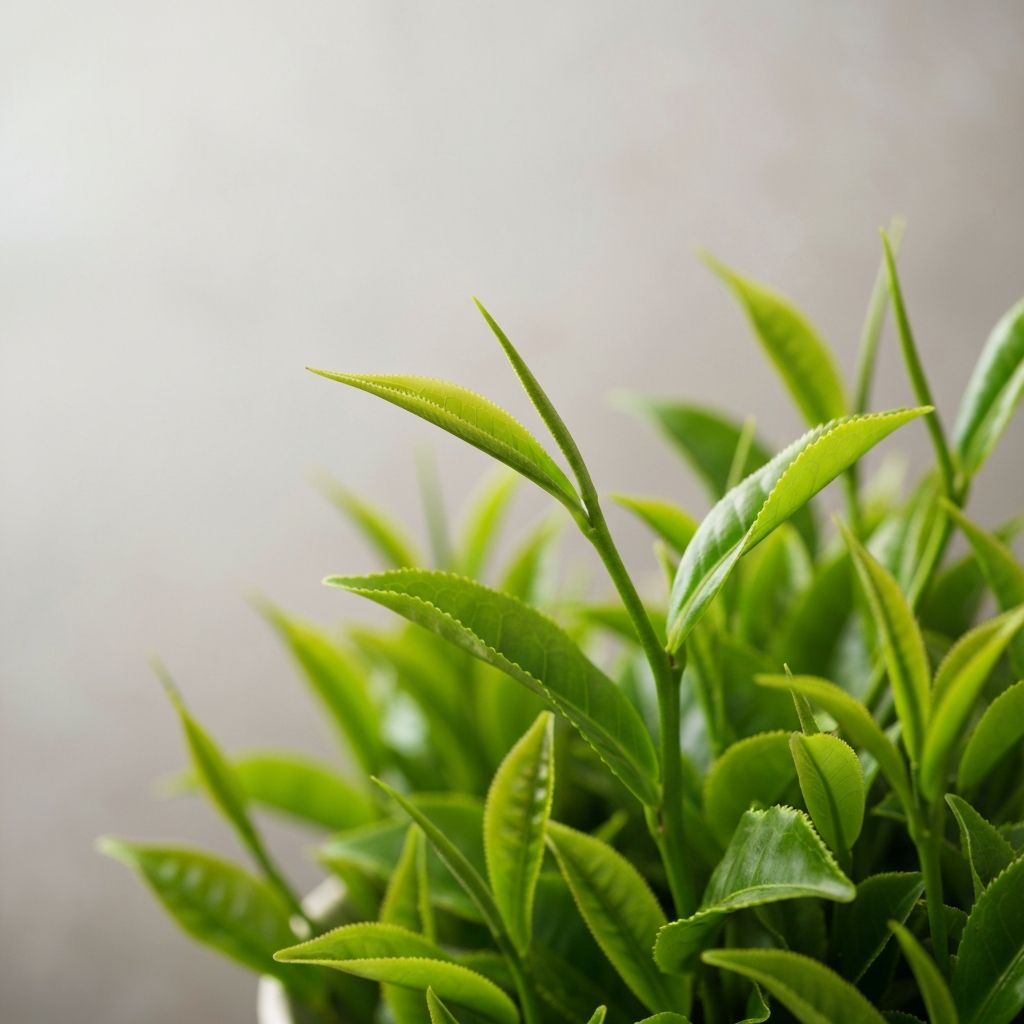
Green Tea Extract
Green tea contains polyphenols and catechins, naturally occurring compounds found in the plant. These substances have been subjects of numerous scientific studies examining their role in general wellness contexts.
General characteristics: Contains caffeine and L-theanine, both present in the leaf naturally.
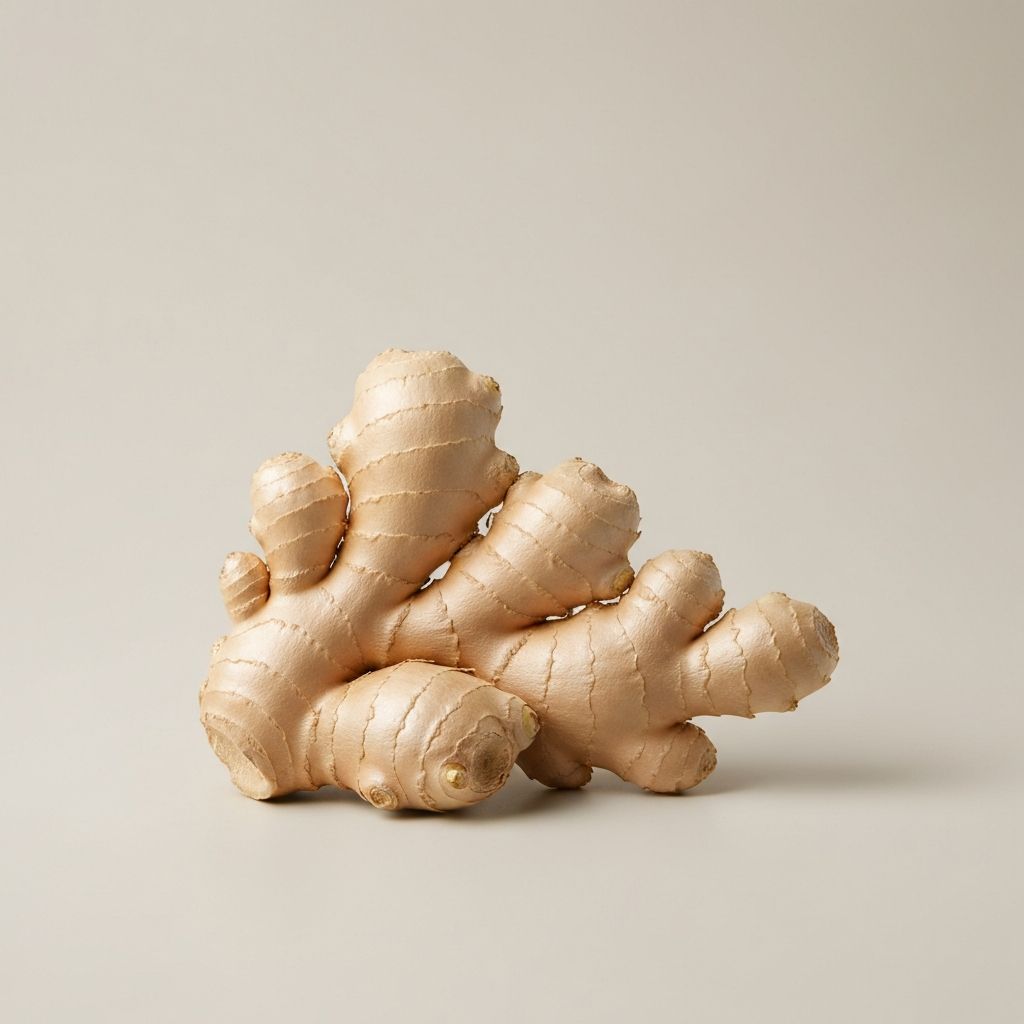
Ginger Root
Ginger is a rhizome used across many cultures in culinary and traditional contexts. It contains gingerols and shogaols, compounds responsible for its characteristic properties and flavor profile.
General characteristics: Often used in beverages and food preparation for its warming qualities.
Everyday Habit Structures

Daily Routine Patterns
Everyday structures in wellness contexts typically include regular meal timing, hydration throughout the day, and movement integration. These patterns vary widely based on individual circumstances and preferences.
Different cultures and individuals maintain diverse approaches to daily rhythm management. There is no single universal framework; rather, a spectrum of options exists based on personal needs and environmental factors.
Forms of Natural Movement
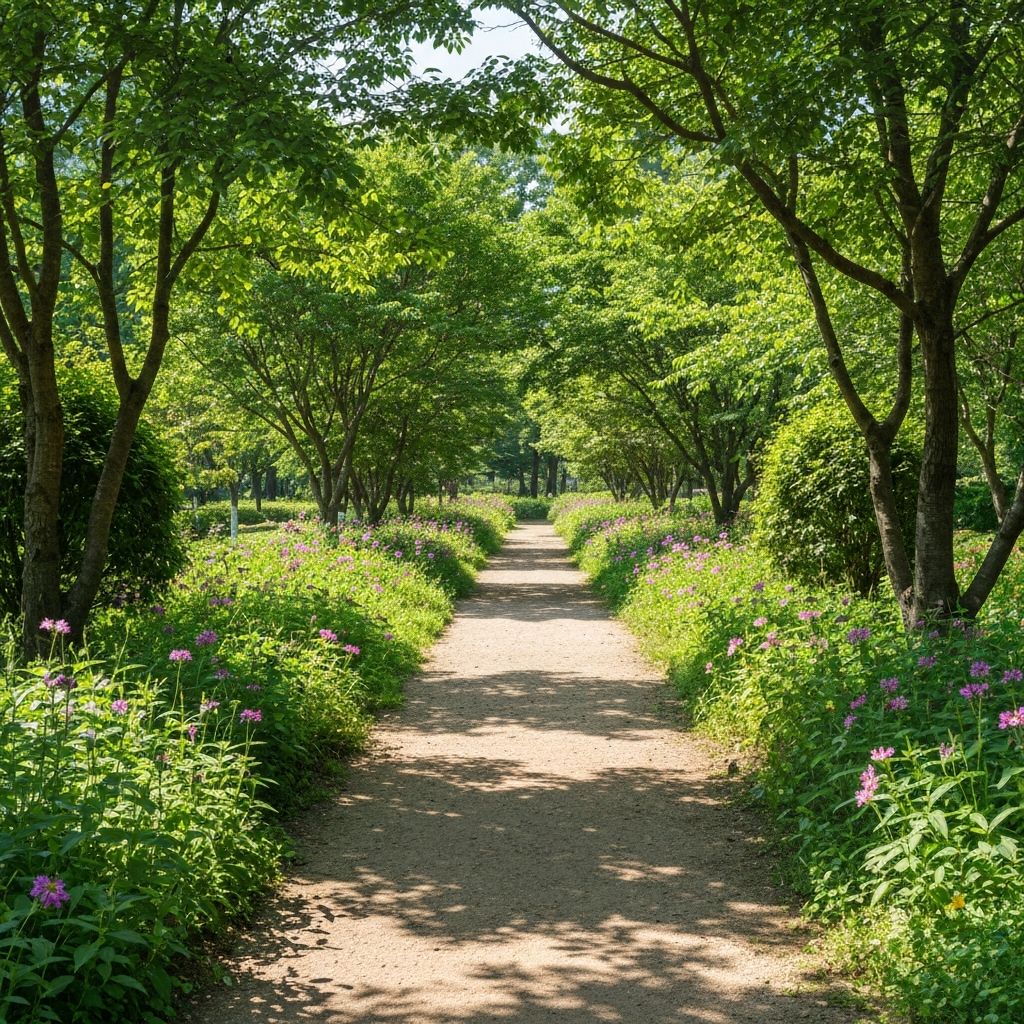
Walking and Outdoor Activity
Walking is a fundamental human movement pattern present across all cultures. It can be incorporated into daily life through various contexts: commuting, exploration, or deliberate practice.
General context: Varies in duration, intensity, and frequency based on individual circumstances.

Stretching and Flexibility Practices
Flexibility and mobility work encompasses various approaches found in different cultural traditions. These practices focus on maintaining natural range of motion and comfort in daily activities.
General context: Can be adapted to any age, ability level, or time frame.
Integrated Wellness Ideas

Holistic Approach to Balance
Many approaches to sustained wellness combine multiple elements: nutritional awareness, regular movement, stress management techniques, and adequate rest. These components interact in complex ways that vary from person to person.
The integration of these practices reflects individual preferences, cultural backgrounds, and practical circumstances. No single formula applies universally; rather, individuals discover personal combinations that support their overall sense of balance and vitality.
Explore this topicLimitations and Context
All material on this site is presented for general educational purposes only. This content is not intended as medical or nutritional advice. It does not constitute recommendations for individual action or health decisions.
The information describes general concepts, historical contexts, and scientific observations. Application of any information is entirely a matter of individual choice and personal responsibility.
For decisions regarding personal health, nutrition, or wellness practices, consultation with qualified healthcare professionals is essential. This site does not replace professional medical, nutritional, or therapeutic guidance.